Finley Meier · 2 September 2026
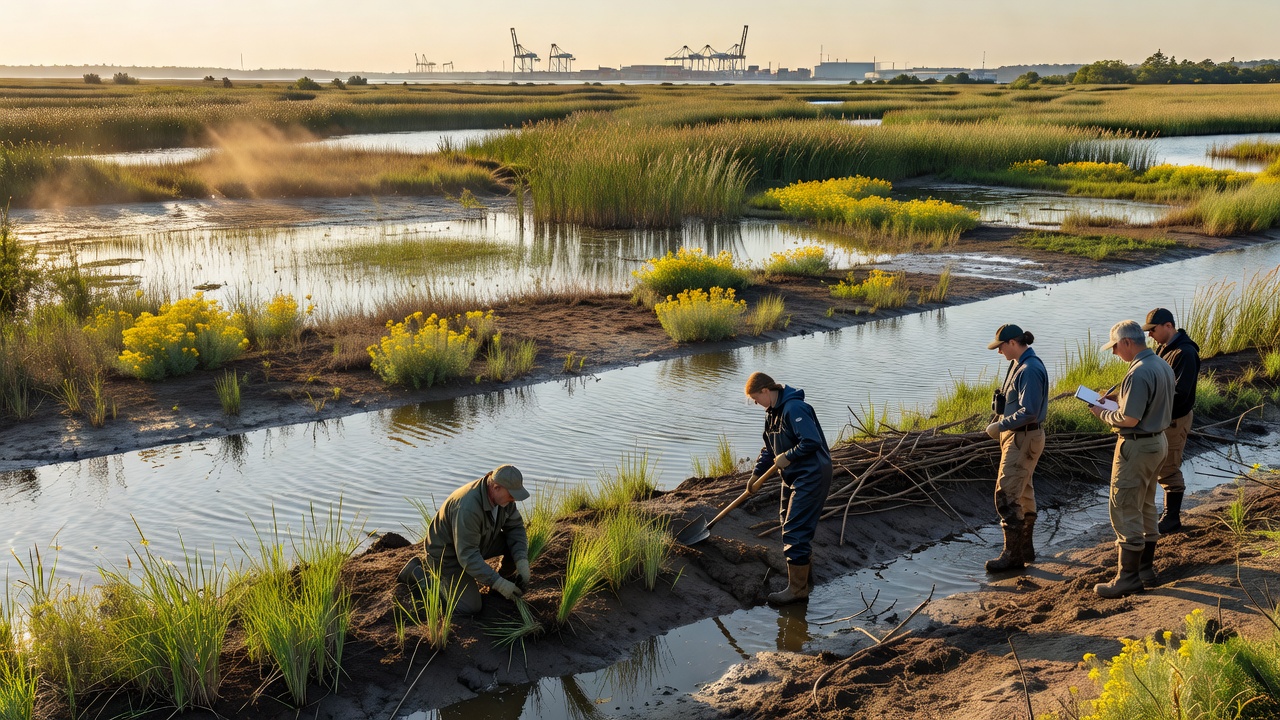
Delta Bay's wetland restoration projects are making steady progress, according to recent updates from local environmental agencies. These initiatives focus on reviving degraded marshlands to improve water filtration, provide flood protection, and enhance wildlife habitats. Multiple sites across the bay area are currently under active restoration. Coordination between government bodies and non-profit organizations has ensured efficient resource allocation.
Current Project Status
One of the largest efforts involves the restoration of the South Delta Wetlands, spanning approximately 150 acres. Work began earlier this year with the removal of invasive species and the reconstruction of natural water channels. Progress reports indicate that 60 percent of the planned earthworks have been completed. In parallel, the Bay Shore Restoration Initiative has introduced new monitoring protocols to assess the impact on local fish populations. Scientists have noted an increase in native plant coverage, which is crucial for stabilizing soil and preventing further degradation. Partnerships with universities have facilitated research opportunities, allowing students to participate in data collection and analysis. Funding from state and federal sources has been instrumental, totaling over $5 million allocated for these phases. Additional sites like the West Lagoon area are in preliminary planning stages.
Local residents have expressed support for the projects, highlighting the potential for improved recreational areas and reduced flooding during storm seasons. Regular updates are provided through community meetings to keep the public informed about timelines and expected impacts.
Expected Outcomes and Challenges
The restorations are anticipated to yield significant environmental benefits, including better carbon sequestration and increased biodiversity. Projections suggest that restored wetlands could support a 25 percent rise in bird species sightings within five years. Economic analyses also point to potential savings in infrastructure maintenance due to natural flood barriers. However, challenges such as unpredictable weather patterns and the need for continuous funding remain. Project leaders are addressing these by implementing adaptive management strategies and seeking additional grants from private sectors. Overall, these advancements mark a positive step toward sustainable development in Delta Bay, balancing ecological preservation with community needs. Long-term monitoring will be essential to measure success and make necessary adjustments.