Finley Meier · 2 September 2026
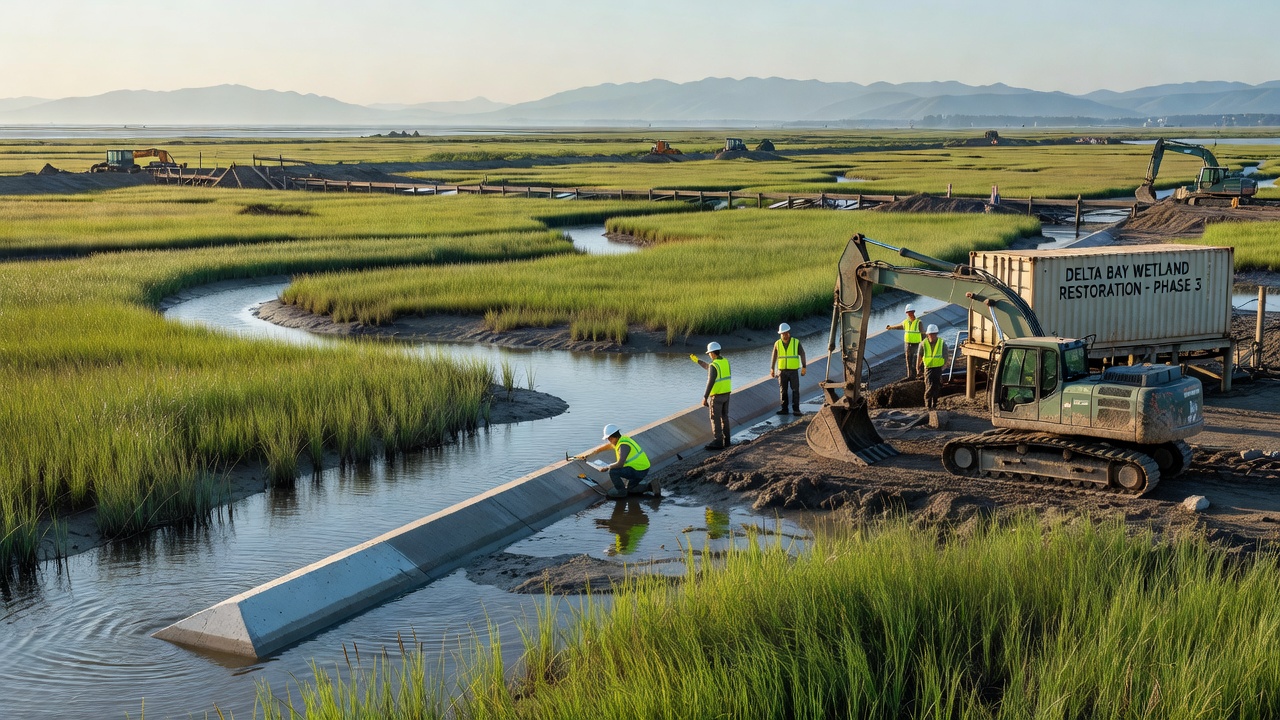
Local authorities in Delta Bay have reported substantial progress on multiple wetland restoration initiatives aimed at preserving the area's unique ecosystem. These projects, funded through a combination of state grants and federal support, focus on rehabilitating degraded marshlands that have suffered from urban development and pollution over the past decades. The efforts are part of a broader regional plan to enhance natural habitats and promote sustainability.
Key Initiatives Underway
One major effort involves the restoration of the North Delta Bay Marsh, where crews have already replanted over 50 acres with native vegetation such as cattails and sedges. The Delta Bay Environmental Agency leads this project, which is expected to be completed by next summer. Work includes soil remediation and the construction of new channels to improve water circulation. Another initiative at the South Shore Wetlands has seen the removal of invasive species and the installation of water control structures to manage tidal flows effectively. Officials note that these measures will help in reducing erosion and enhancing biodiversity in the area.
Community involvement has been crucial, with volunteer days organized to assist in planting and monitoring activities. Local residents have expressed support for the projects, highlighting the potential for improved recreational opportunities like bird watching and hiking trails once the areas are fully restored. Educational programs are also being developed for schools to teach students about wetland importance.
Expected Ecological Outcomes
The advancements are anticipated to yield significant benefits for the local wildlife, including migratory birds and fish species that rely on healthy wetlands for breeding and feeding. Improved water filtration from the restored areas will also contribute to better quality in Delta Bay's waterways, benefiting both the environment and nearby agricultural operations. Experts predict that these restorations could help mitigate the impacts of climate change by providing natural buffers against flooding and sea level rise. Additional studies are being conducted to assess long term effects on carbon sequestration and habitat connectivity across the bay region. These comprehensive approaches ensure that the projects not only restore but also sustain the wetlands for future generations.
Monitoring programs are in place to track the success of the plantings and animal populations over the coming years. Funding for ongoing maintenance has been secured through partnerships with environmental organizations. Overall, the progress marks a positive step forward for Delta Bay's commitment to environmental stewardship and long-term ecological health.